Damp, Mould and Condensation Booklet
1.35 MB
We share the common causes of damp, and how we can work together to keep it under control.
Our aim is to share practical advice that will help you manage condensation and maintain a healthy home, outlining the different types of damp, how to spot potential concerns and how to contact us if there is a problem.
All homes are at risk of condensation, particularly through the winter months. Excess condensation in your home can lead to problems such as mould growth, which can affect your health and the health of your home. Small amounts of condensation are not usually a problem, and there are some everyday things we can all do to help prevent it. As your landlord, it’s our responsibility to provide you with a safe and healthy home.
On 27th October 2025, Awaab’s Law came into force, which set the legally binding timeframes for social landlords to investigate and resolve hazards such as damp and mould. Named in memory of Awaab Ishak, this legislation ensures that all tenants live in safe, healthy homes.
At Orwell Housing Association, we fully support the principles of Awaab’s Law and are committed to acting swiftly and responsibly when damp, mould or other health hazards are reported. We will:
We believe everyone deserves a home that supports their health and wellbeing. If you notice damp or mould in your home, please report it to us immediately so we can take action.
If you identify damp and mould in your home, please report it to us as soon as possible.
What is condensation?
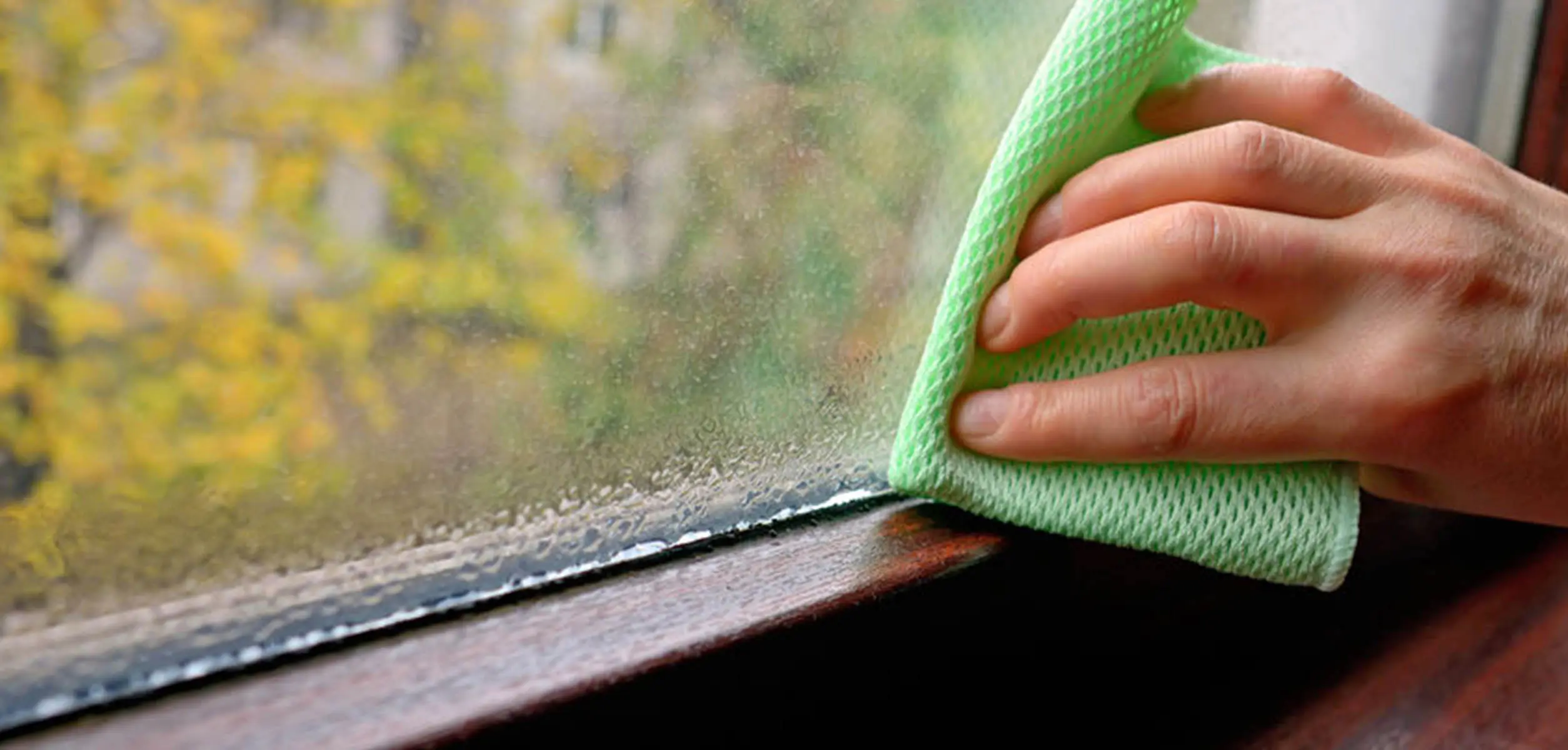
Condensation happens when excess moisture in the air meets a cold surface and turns into water droplets. Everyday activities like cooking, cleaning, showering, bathing, and even breathing produce moisture in our homes.
Condensation is more common in winter because surfaces such as windows and walls are colder, while the air inside tends to be warmer and more humid. We also keep windows and doors closed more often during colder months, which reduces ventilation and makes it harder for moist air to escape.
Small amounts of condensation, like steam from a shower settling on a bathroom mirror, aren’t usually a problem if managed properly.
Quick tip
If you notice condensation on a surface, simply wipe it down with a clean, dry cloth or kitchen towel.
What is damp?
Whilst condensation is one type of damp caused by excess moisture inside the home, there are other types of damp to be aware of, including:
Rising damp
Rising damp is caused by water in the soil moving up through a wall and will only affect ground floor rooms or basements. It isn’t very common and is usually prevented by a barrier called a damp-proof course. Rising damp can occur if the damp-proof course in your home is either missing or damaged. Signs of rising damp include damaged skirting boards and floorboards, crumbling or salt-stained plaster, and peeling paint or wallpaper. Rising damp often has the appearance of a tide mark running along the bottom of a wall.
Penetrating damp
Penetrating damp is caused by water seeping through the walls from outside and is caused by structural problems such as faulty guttering or roofing. It usually shows up as a concentrated damp patch on walls, ceilings or floors with a clear edge. This type of damp often gets worse when it rains.
Plumbing fault
A plumbing fault, such as a leak in a water or waste pipe can cause damp. This would usually occur in a kitchen or bathroom. The damp area would be wet to touch and would remain consistently damp regardless of the weather outside.
What is mould?
Excess condensation or structural damp issues can cause sitting water on surfaces like ceilings, walls and floors. This can lead to damage in your home such as flaking paintwork, peeling wallpaper or black mould.
Black mould can grow on any surface but common places include windowsills, ceilings or walls. If you notice mould forming, it’s important that it is treated straight away as it can spread quickly and be harmful to your health.
How to treat
Using a clean cloth and a white vinegar spray is an effective way to treat and remove small areas of mould. White vinegar can be used safely on most surfaces and will penetrate porous materials to kill the mould at the roots.
Quick tip
If mould returns after cleaning it away, a structural issue may be the cause.
Treat problem areas
Orwell Housing Association’s damp and mould self-assessment
We undertook a damp and mould self-assessment in line with the Housing Ombudsman’s recommendations to social landlords. Our Customer Insight Committee approved this document and its contents in September 2025.
Escalating your concerns
If you have informed us of a damp and mould problem and we have not resolved the issue to your satisfaction, please escalate the issue using our complaints process.
You can find the full complaints policy and procedure here.
Resources & downloads.
Below you can find easy read and pictorial guides to help you if you need support, or contact us using the form below.
If you’d like to find out more or talk through your options, we’d love to hear from you.
Whether you have a question, want to find out more about our services, or would like to talk through your support options, our team is happy to help.
Not found what you’re looking for? There’s plenty more support available.
Browse the pages below to find the help and guidance you need.
 Together we can end domestic abuse